
Code Audit & Software Updates
Unstable, overly complex, or poorly structured software weakens your industrial systems and limits their ability to evolve.
At Gemesis, we perform advanced code audits and comprehensive software updates to secure, optimize, and future-proof your industrial applications, particularly those built with LabVIEW, real-time architectures, and embedded environments.
Discuss Your ProjectWhy perform a code audit?
A code audit helps you regain control of your software and anticipate potential risks.
Identify bugs and unstable behavior
Reduce technical debt
Improve readability and maintainability
Enhance system security (error handling, access control, data management)
Optimize performance (real-time execution, data acquisition, computation)
Prepare for future developments or industrial deployment

Context Analysis
- Overall architecture (software + hardware)
- Business objectives and field constraints
- Physical interfaces (sensors, actuators, communication protocols)
Our Audit Methodology
We apply a structured approach based on systems engineering and industrial software development.
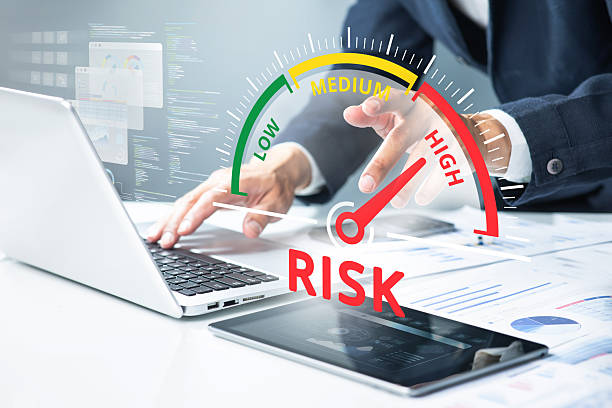
Risk Analysis
- Critical system issues
- Technical dependencies
- Production risks

Technical Code Audit
- Code quality (structure, modularity, readability)
- Error handling and robustness
- Performance (latency, synchronization, loops)
- Communication (EtherCAT, CAN, Modbus, TCP/IP, etc.)

Action Plan
- Priority fixes
- Recommended refactoring
- Architecture improvements
- Technical roadmap
Auditing Complex LabVIEW Architectures
Beyond the code itself, we audit advanced software architectures, which are often at the root of performance and maintainability issues.
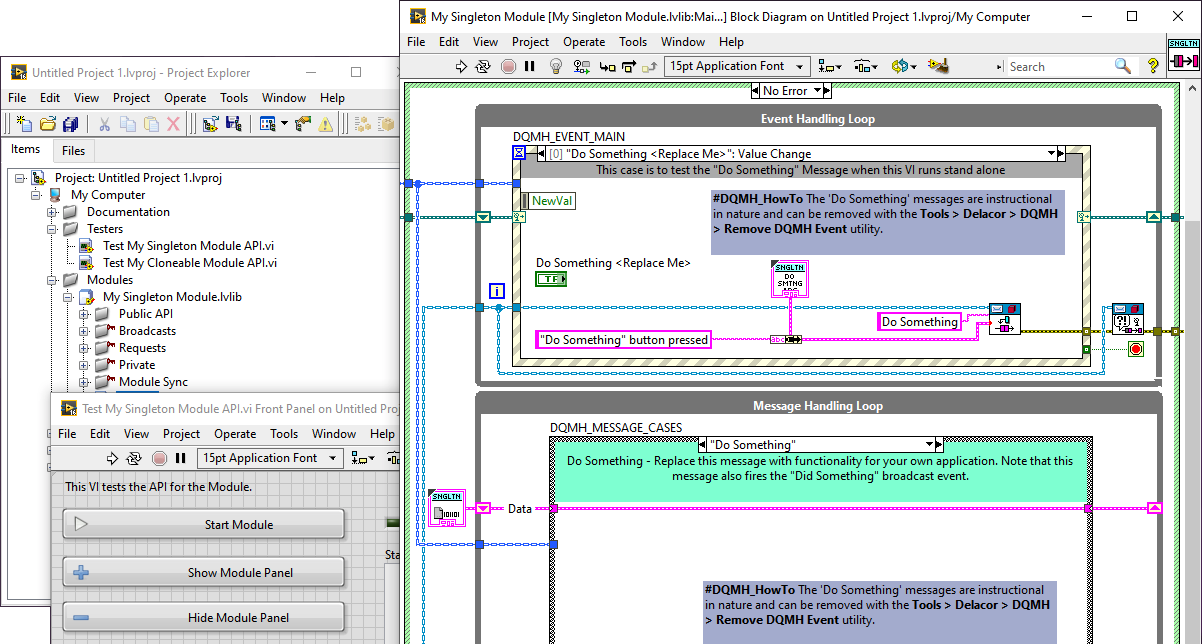
DQMH (Delacor Queued Message Handler)
DQMH is a powerful architecture for building modular applications. When improperly implemented, it can quickly become a source of unnecessary complexity.
We analyze:
- Module organization (requests / events)
- Message and queue management
- Component decoupling
- Overall readability
- Error and state management
Objective: a clear, modular, and scalable architecture.
LabVIEW
Actor Framework
Used for complex or distributed systems, the Actor Framework requires advanced expertise.
We audit:
- Actor hierarchy
- Lifecycle management
- Inter-actor communication
- Performance and latency
- Overall robustness
Objective: reduce complexity and improve maintainability.
Real-Time & FPGA Systems
In critical systems (cRIO, RT, FPGA), software architecture has a direct impact on physical performance.
We analyze:
- Real-time loop determinism
- Jitter and priority management
- RT ↔ FPGA communication
- Multi-loop synchronization
- CPU and memory optimization
Objective: a stable, deterministic, and high-performance system.
Objective: a clear, modular, and scalable architecture.
Common Issues We Encounter
Poorly structured or misused DQMH
Monolithic architecture that is difficult to evolve
Tight coupling between modules
Poor separation between UI, business logic, and hardware
Real-time performance degradation
Code that cannot be maintained by a new team
Software Updates & Refactoring
We provide complete modernization of your software.
Bug fixing
Code refactoring
Architecture improvements
Migration to newer software versions
Performance optimization
Technical compliance updates
Deliverables
At the end of the project:

Detailed audit report

Prioritized list of corrective actions

Architecture recommendations

Improvement plan
Corrected or refactored code (if included)
When Should You Contact Us?
- Before production deployment
- After recurring software bugs
- During a team transition
- Before industrialization
- For complex R&D projects
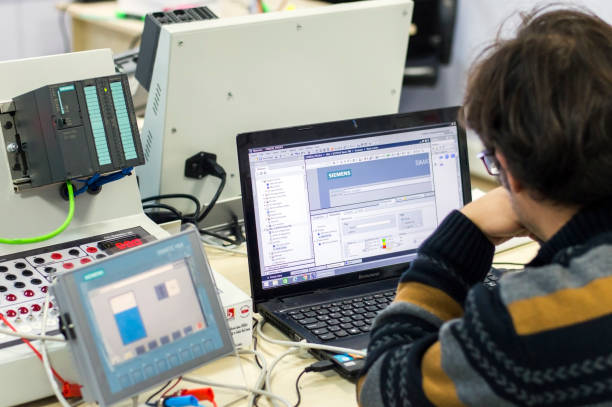
Benefits for Your Project
- Reduced production risks
- Improved performance
- Time savings for your teams
- Greater scalability
- Increased value of your intellectual property

Our Expertise
- Battery, hydrogen, and microfluidics test benches
- Real-time and embedded systems
- Automation and supervisory control
- Data acquisition
- Instrumentation
- Simulation and HIL (Hardware-in-the-Loop) systems
Technologies We Master

LabVIEW
Python

TestStand
MATLAB / Simulink
SQL Databases

Industrial protocols (CAN, EtherCAT, Modbus, etc.)
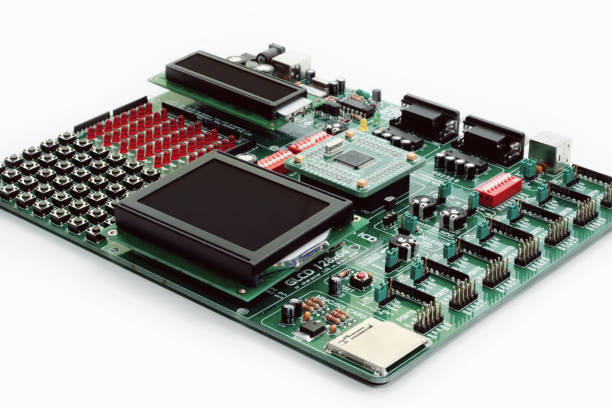
FPGA & Embedded Systems
Our teams hold LabVIEW Architect (CLA) and TestStand( CTD), with the CLA being the highest level of certification under the NI LabVIEW environment. oWe can also support you in the VeriStand environment and the implementation of best practices or software tools.
Need a Code Audit?
We can quickly assess your system and provide a concrete action plan.